Pathogenesis of Microvascular Hemorrhage & Stachylysin Toxicity
The developing infant respiratory system is uniquely vulnerable to biological toxins. Immature alveolar-capillary membranes undergo rapid cellular division during the first year of life. under certified ANSI/IICRC S520 environmental engineering standards and forensic structural moisture remediation guidelines..
The developing infant respiratory system is uniquely vulnerable to biological toxins. Immature alveolar-capillary membranes undergo rapid cellular division during the first year of life.
When an infant inhales bioaerosols containing , the fungus releases , an amphiphilic hemolytic protein that inserts into endothelial cell membranes, forming transmembrane pores that trigger rapid cell lysis.
Simultaneously, satratoxins G and H inhibit the synthesis of Type IV collagen in the capillary basement membrane, causing vascular wall fragility that ruptures under normal pulmonary blood pressure.
Clinical Presentation & Bronchoalveolar Lavage (BAL) Diagnosis
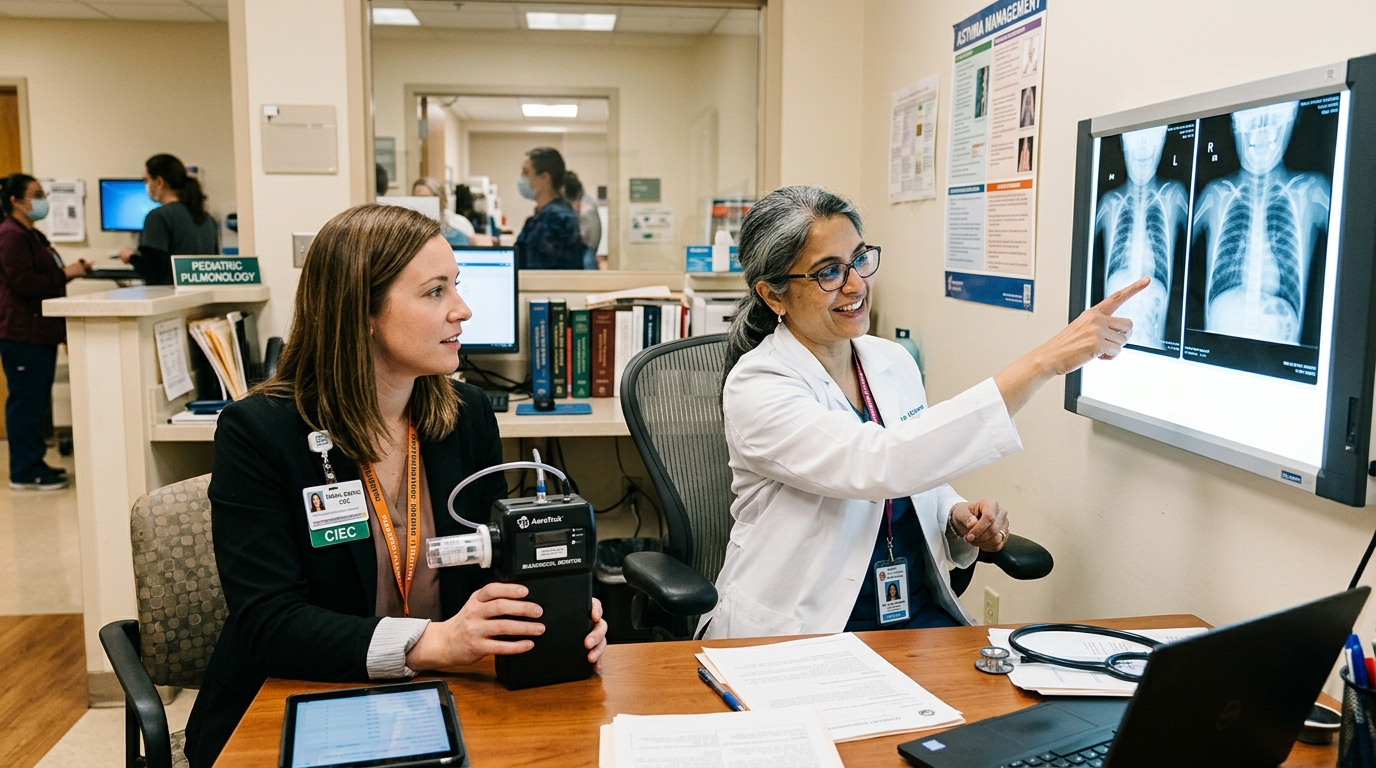
Infants with pulmonary hemosiderosis present with acute cyanosis, tachypnea, subcostal retractions, lethargy, and failure to thrive. Pediatric pulmonologists diagnose AIPH by performing rigid or flexible bronchoscopy with Bronchoalveolar Lavage (BAL). Microscopic analysis of BAL fluid reveals pathognomonic ("siderophages") stained with Prussian blue.
Infants with pulmonary hemosiderosis present with acute cyanosis, tachypnea, subcostal retractions, lethargy, and failure to thrive. Pediatric pulmonologists diagnose AIPH by performing rigid or flexible bronchoscopy with Bronchoalveolar Lavage (BAL). Microscopic analysis of BAL fluid reveals pathognomonic ("siderophages") stained with Prussian blue.
High-resolution chest CT scans demonstrate diffuse bilateral ground-glass opacities representing active intra-alveolar hemorrhage.
Medical Stabilization & Pediatric ICU Protocols
Immediate medical management requires pediatric intensive care admission, high-flow oxygen or mechanical ventilation, packed red blood cell transfusions to correct acute anemia, and high-dose intravenous corticosteroid therapy (such as methylprednisolone) to suppress acute alveolar inflammation. Once stabilized, the critical clinical mandate is.
Immediate medical management requires pediatric intensive care admission, high-flow oxygen or mechanical ventilation, packed red blood cell transfusions to correct acute anemia, and high-dose intravenous corticosteroid therapy (such as methylprednisolone) to suppress acute alveolar inflammation.
Once stabilized, the critical clinical mandate is total environmental avoidance: pediatric guidelines strictly forbid returning the infant to the water-damaged residence until the property receives full environmental clearance.
Emergency Residential Remediation & PRV Spore Clearance
Remediating a residential property associated with infant pulmonary hemorrhage mandates the highest level of containment: (1) full physical isolation of affected rooms with 6-mil poly airlocks under continuous -5 Pa negative pressure, (2) controlled deconstruction of all contaminated drywall, subfloors, and insulation.
Remediating a residential property associated with infant pulmonary hemorrhage mandates the highest level of containment: (1) full physical isolation of affected rooms with 6-mil poly airlocks under continuous -5 Pa negative pressure, (2) controlled deconstruction of all contaminated drywall, subfloors, and insulation,
(3) thorough cleaning of all surfaces with EPA-registered botanical biocides, and (4) strict Post-Remediation Verification (PRV) testing requiring zero detectable spores on calibrated air cassettes and tape lifts.