3 Structural Hazards: Sweating HVAC Ducts & Attic Condensate Leaks in University
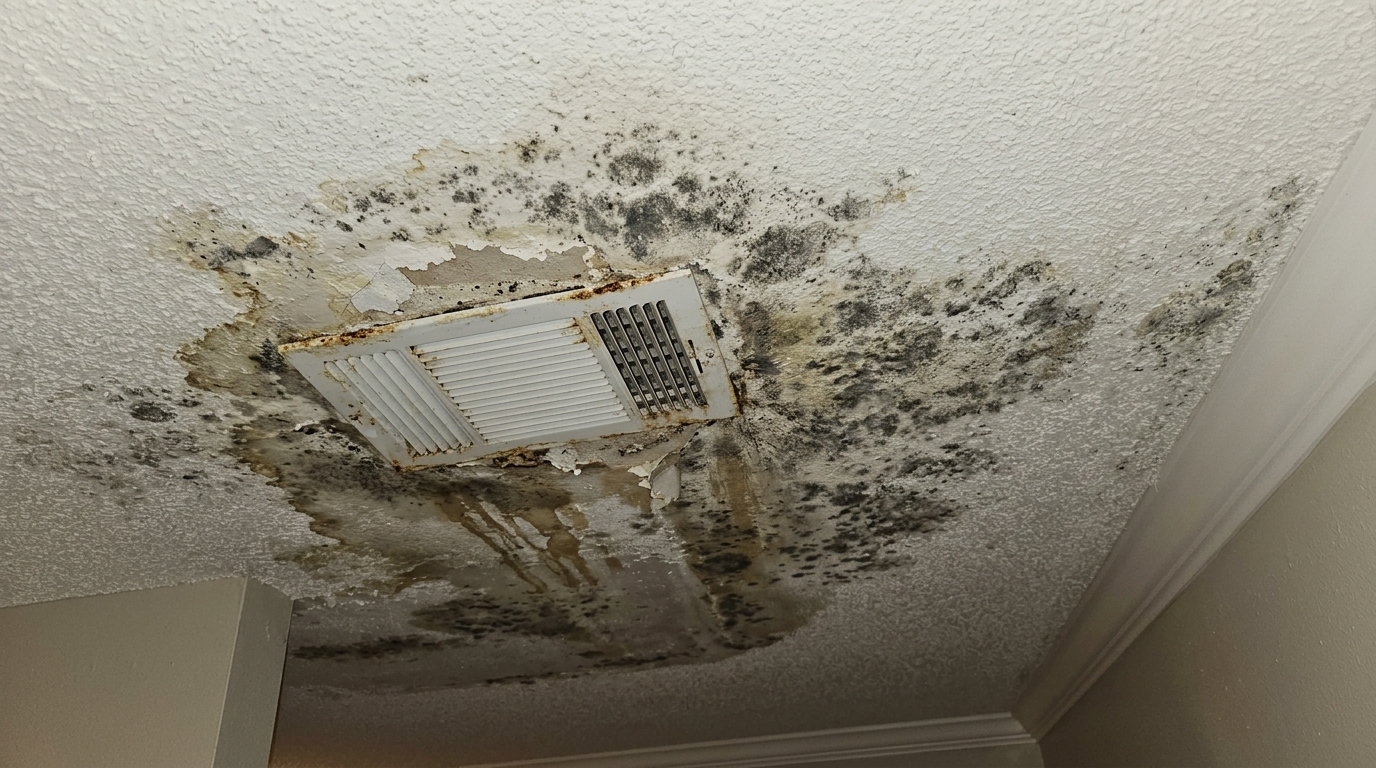
Continuous air conditioning operation during humid University summers causes uninsulated supply ductwork and secondary drain pans to sweat excessively. Algae clogs inside primary condensate lines trigger hidden pan overflows, discharging gallons of water onto attic ceiling drywall before causing sudden structural collapses.
Attic temperatures reaching 130 degrees clash with 55-degree conditioned air inside University ductwork.
Porous ceiling insulation absorbs condensate silently until drywall seams weaken and buckle under heavy moisture loads.
Structures built with Concrete block stucco (CBS) construction, slab-on-grade foundations, and multi-story condominium high-rises face rapid microbial colonization when roof cavities lack adequate ventilation over Porous oolitic limestone, marine sand, and high water-table wetland muck.
Crews clear blocked condensate lines, replace saturated drywall, and apply EPA-registered antimicrobials to ceiling framing.
Industrial air scrubbers filter airborne fungal fragments, restoring indoor air quality in accordance with Florida Mold Remediation Licensing Standards (Florida Statute § 468.84) and Title VI § 83.51.
4 Standardized Inspection & Testing Protocols in University
Attic environmental remediation and HVAC decontamination protocols deployed across University follow rigorous NADCA and ANSI/IICRC S520 guidelines. Technicians isolate contaminated attic access points under negative air pressure before clearing moisture reservoirs.
- HVAC Plenum Psychrometric Assessment: Calibrated thermo-hygrometers measure dew point differentials across supply ductwork and return plenums.
- Condensate Overflow Line Clearing: High-pressure nitrogen flushes eliminate algae slime, mineral blockages, and sediment from drain pipes.
- Ceiling Drywall Containment & Removal: Damaged ceiling drywall and saturated fiberglass insulation are extracted under negative-air chambers.
- Attic Timber Antimicrobial Treatment: Technicians apply botanical sanitizers to rafters and install secondary pan overflow shutoff switches.
3 Regional Environmental Emergency Coverage Zones in Florida
Our emergency response fleet coordinates 24/7 moisture extraction, negative-air containment, and ANSI/IICRC S520 remediation across all municipal sectors in Florida. Certified technicians deploy within 15 to 30 minutes, maintaining synchronized radio dispatch between central operations and regional rapid response stations.
During severe plumbing line breaks or storm inundation, field crews coordinate certified Sweetwater mold testing protocols. Similarly, properties facing foundation moisture rely on our Southchase thermal moisture detection specialists.
Because airborne fungal spores spread across ventilation plenums, our inspectors partner with Titusville environmental hygienists to verify containment. We also execute timber decontamination backed by our Oakleaf Plantation mitigation crews and Florida Ridge inspectors.
Whether extracting Category 3 blackwater or sealing crawlspaces, our Largo remediation network provides immediate help. This protection is reinforced through our Palm Beach Gardens field stations and the Golden Glades emergency response team.
Frequently Asked Environmental Questions in University
Why do attic air conditioning units leak water onto ceilings in University, FL?
Attic air conditioning units in University leak when algae and bacterial slime clog narrow 3/4-inch PVC condensate drain lines. When primary drain lines clog, condensate overflows into secondary safety pans that spill onto ceiling drywall if float switches fail.
Regularly flushing condensate lines with white vinegar and testing secondary emergency float switches prevents unexpected ceiling collapses.
How quickly does mold develop behind ceiling drywall after an AC leak?
Toxic mold begins colonizing the paper backing of ceiling drywall in University within 24 to 48 hours of water contact. Because dark, unventilated attics trap heat and humidity, microscopic Aspergillus spores propagate rapidly across cellulose surfaces.
Emergency extraction and immediate drying within the first 48 hours stops fungal colonization before costly structural gutting becomes necessary.
Does insurance cover damage from clogged AC condensate drain pans in Florida?
Insurance coverage in Florida depends on whether the AC drain overflow is classified as sudden and accidental rather than prolonged maintenance neglect. Many carriers cover drywall collapse and drying while excluding repair of the air conditioner itself.
We document initial moisture metrics and capture date-stamped thermal photos to establish sudden loss timelines under Florida Mold Remediation Licensing Standards (Florida Statute § 468.84) and Title VI § 83.51.
We dispatch certified environmental specialists across all Florida counties. View our Main Florida State Directory Hub or return to the 50-State Hub Directory.
Read our certified AC condensate drain clogs and ceiling drywall mold prevention guide.
Explore the solved AC sweating ductwork and ceiling drywall moisture case study.