3 Structural Hazards: Convective Storm Wind Deluges & Roof Penetration in Richfield
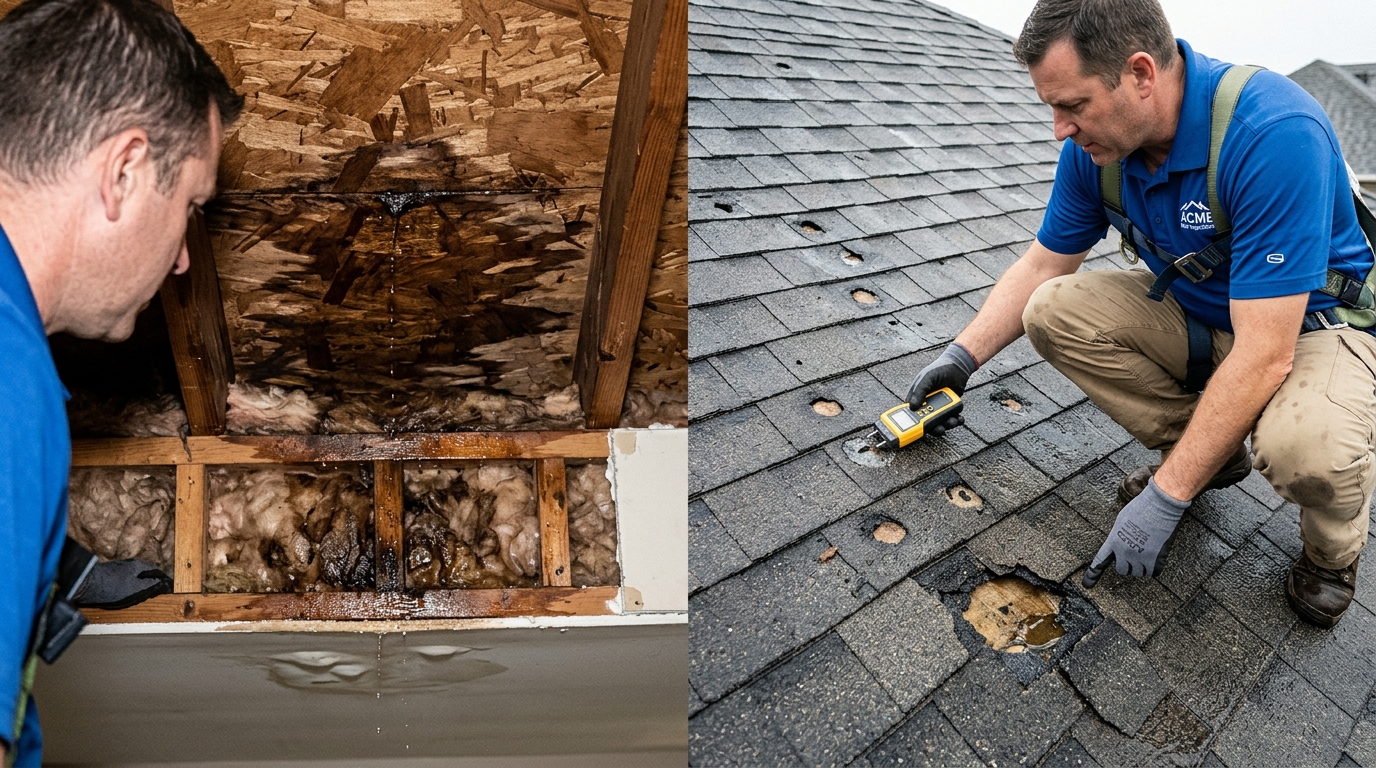
Severe convective supercells and torrential rainfall across Richfield exploit compromised roof flashing, wind-lifted shingles, and masonry parapet joints. Wind-driven rainwater enters exterior wall assemblies, soaking batt insulation and incubating pathogenic fungal colonies within sealed drywall cavities.
High-velocity wind gusts in Richfield peel flashing around chimneys, skylights, and plumbing vent stacks.
Rainwater migrates invisibly down wall studs, pooling on subflooring behind baseboards.
Buildings constructed with Full concrete insulated basements, 1920s craftsman homes, and energy-sealed modern assemblies encounter envelope water intrusion during extreme weather over Glacial drift clay, sandy outwash plains, and prairie organic topsoils.
Specialists deploy infrared thermal cameras to locate concealed moisture paths without destructive demolition.
Negative-air scrubbers and commercial LGR dehumidifiers restore structural framing to strict standards under Minnesota Statutes § 504B.161 (Covenants of Habitability in Residential Leases).
4 Standardized Inspection & Testing Protocols in Richfield
Severe weather moisture mapping and exterior envelope drying protocols deployed in Richfield comply with ANSI/IICRC S520 guidelines. Crews establish airtight containment barriers to isolate wind-damaged exterior walls during extraction.
- FLIR Thermal Building Envelope Scanning: Thermal thermography isolates hidden moisture channels behind exterior brick and siding assemblies.
- Targeted Wall Cavity Inspection Ports: Discrete 1-inch inspection holes allow fiber-optic scoping of insulation cavities without tearing down walls.
- Negative Pressure HEPA Air Containment: Commercial air scrubbers capture disturbed spores and construction particulate during wet drywall removal.
- Structural Framing Antimicrobial Sanitization: Technicians treat exposed timber studs with broad-spectrum botanical fungicides to prevent fungal recurrence.
3 Regional Environmental Emergency Coverage Zones in Minnesota
Our emergency response fleet coordinates 24/7 moisture extraction, negative-air containment, and ANSI/IICRC S520 remediation across all municipal sectors in Minnesota. Certified technicians deploy within 15 to 30 minutes, maintaining synchronized radio dispatch between central operations and regional rapid response stations.
During severe plumbing line breaks or storm inundation, field crews coordinate certified Stillwater mold testing protocols. Similarly, properties facing foundation moisture rely on our St. Michael thermal moisture detection specialists.
Because airborne fungal spores spread across ventilation plenums, our inspectors partner with Golden Valley environmental hygienists to verify containment. We also execute timber decontamination backed by our Brainerd mitigation crews and Big Lake inspectors.
Whether extracting Category 3 blackwater or sealing crawlspaces, our Champlin remediation network provides immediate help. This protection is reinforced through our Little Canada field stations and the North Mankato emergency response team.
Frequently Asked Environmental Questions in Richfield
How do wind-driven storm rains cause hidden mold inside Richfield, MN walls?
Wind-driven storm rains in Richfield force water through micro-fissures in window flashing, siding laps, and brick mortar. Once water penetrates exterior barriers, it saturates interior fiberglass batt insulation that remains wet for weeks inside unventilated wall cavities.
Because wet insulation cannot dry on its own, it creates a hidden incubator where toxic Stachybotrys mold spreads undetected.
How do technicians verify that wall cavities are dry after storm intrusion?
Technicians verify that wall cavities in Richfield are thoroughly dry using calibrated deep-probe pin meters and infrared thermal imaging. Dryness is certified only when structural studs and framing register strictly below 14.0% Wood Moisture Equivalent.
Daily psychrometric logs track moisture depletion until readings match unaffected baseline materials in surrounding rooms.
How do adjusters determine if storm water damage is covered in Minnesota?
Insurance adjusters in Minnesota determine coverage by verifying whether wind created a physical opening in the roof or exterior envelope through which water entered. If wind forces rain through storm openings, standard policies cover interior water extraction and mold remediation.
Our restoration team supplies adjusters with high-resolution wind damage photos and moisture maps compliant with Minnesota Statutes § 504B.161 (Covenants of Habitability in Residential Leases) to substantiate claims.
We dispatch certified environmental specialists across all Minnesota counties. View our Main Minnesota State Directory Hub or return to the 50-State Hub Directory.
Read our certified Hail roof penetration and hidden wall cavity mold guide.
Explore the solved Severe weather roof leak and certified remediation certificate case study.