3 Structural Hazards: Coastal Marine Fog Dampness & Rising Water Tables in Lynden
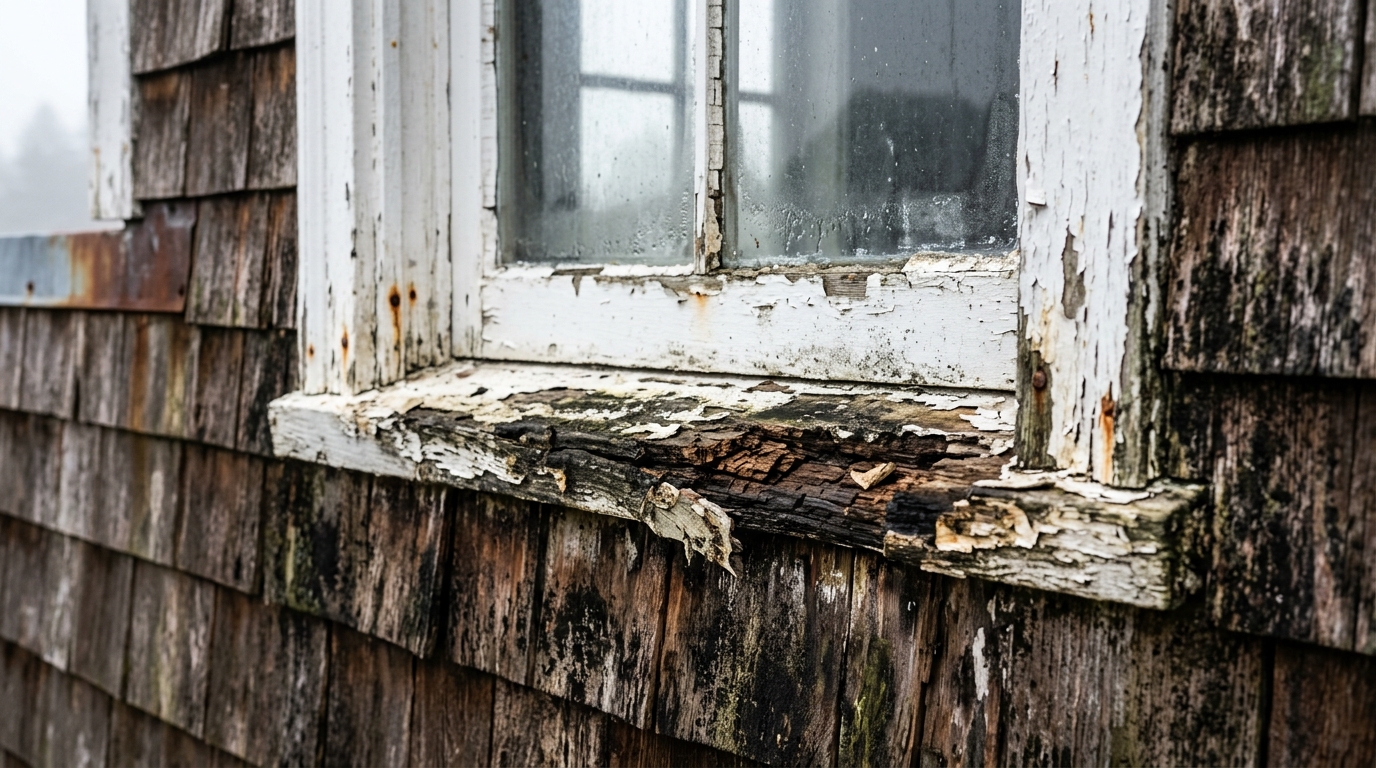
Persistent coastal marine layers and rising groundwater tables across Lynden create sustained relative humidity above 75%. Unsealed crawlspaces and exterior window assemblies absorb atmospheric moisture, rotting timber sills and spreading toxic fungal colonies into adjacent living spaces.
Cool marine layer fog in Lynden condenses against exterior building envelopes and single-pane window assemblies.
Rising coastal water tables prevent natural subterranean drainage, keeping crawlspaces and slab footings perpetually damp.
Residences built with Craftsman post-and-pier foundations, cedar lap siding residences, and modern rainscreen envelopes suffer high humidity dampness when situated above sandy or porous Glacial Vashon till, sandy outwash gravel, and alluvial volcanic loam.
Specialists seal exterior perimeter envelopes, treat window framing, and install commercial high-capacity dehumidifiers.
Indoor relative humidity is brought below 50%, restoring healthy air quality in full compliance with Washington Residential Landlord-Tenant Act (RCW 59.18.060).
4 Standardized Inspection & Testing Protocols in Lynden
Coastal moisture mitigation and marine layer dampness remediation across Lynden properties adhere strictly to ANSI/IICRC S520 standards. Technicians stabilize structural moisture and eliminate surface fungal colonies on wood framing.
- Ambient Psychrometric Dew Point Analysis: High-precision hygrometers measure vapor pressure differentials between indoor air and coastal marine layers.
- Exterior Building Envelope Sealing: Technicians waterproof exterior window sills, door headers, and foundation perimeters to prevent moisture wicking.
- Subfloor Fungal Decontamination: EPA-registered botanical antimicrobials sanitize floor joists and framing timbers affected by coastal dampness.
- Continuous High-Capacity Dehumidification: Commercial dehumidifiers extract moisture continuously to maintain indoor relative humidity below 50%.
3 Regional Environmental Emergency Coverage Zones in Washington
Our emergency response fleet coordinates 24/7 moisture extraction, negative-air containment, and ANSI/IICRC S520 remediation across all municipal sectors in Washington. Certified technicians deploy within 15 to 30 minutes, maintaining synchronized radio dispatch between central operations and regional rapid response stations.
During severe plumbing line breaks or storm inundation, field crews coordinate certified South Hill mold testing protocols. Similarly, properties facing foundation moisture rely on our Silverdale thermal moisture detection specialists.
Because airborne fungal spores spread across ventilation plenums, our inspectors partner with Snoqualmie environmental hygienists to verify containment. We also execute timber decontamination backed by our Kelso mitigation crews and Lacey inspectors.
Whether extracting Category 3 blackwater or sealing crawlspaces, our Aberdeen remediation network provides immediate help. This protection is reinforced through our East Renton Highlands field stations and the Bellevue emergency response team.
Frequently Asked Environmental Questions in Lynden
Why does coastal marine layer moisture cause window and wall mold in Lynden, WA?
Coastal marine layer moisture in Lynden causes mold because cool ocean fog carries heightened salt-mist humidity that condenses against building envelopes. When indoor humidity exceeds 60%, organic paint and window sill timbers become active breeding grounds for fungal growth.
Upgrading to double-pane insulated windows and operating dehumidification prevents condensation from accumulating on interior surfaces.
How can coastal property owners stop high ambient humidity from breeding mold?
Coastal property owners in Lynden can halt mold growth by maintaining indoor relative humidity strictly below 50% using whole-home dehumidifiers. Ensuring bathroom exhaust fans vent completely outside and inspecting crawlspace vapor barriers prevents humidity buildup.
Professional restoration technicians install sealed 20-mil vapor barriers to stop ground moisture from evaporating into living spaces.
Does coastal moisture damage qualify for homeowners insurance coverage in Washington?
Gradual coastal humidity and fog condensation are typically considered ongoing environmental wear and tear and are excluded from standard policies in Washington. However, if storm surges or wind-driven rains force moisture inside, coverage applies.
Our specialists help property owners distinguish between sudden covered storm intrusion and ambient moisture under Washington Residential Landlord-Tenant Act (RCW 59.18.060).
We dispatch certified environmental specialists across all Washington counties. View our Main Washington State Directory Hub or return to the 50-State Hub Directory.
Read our certified Coastal marine layer moisture and window sill rot remediation guide.
Explore the solved Coastal marine moisture and property escrow inspection case study.